[ENG] 2026 Audio setup
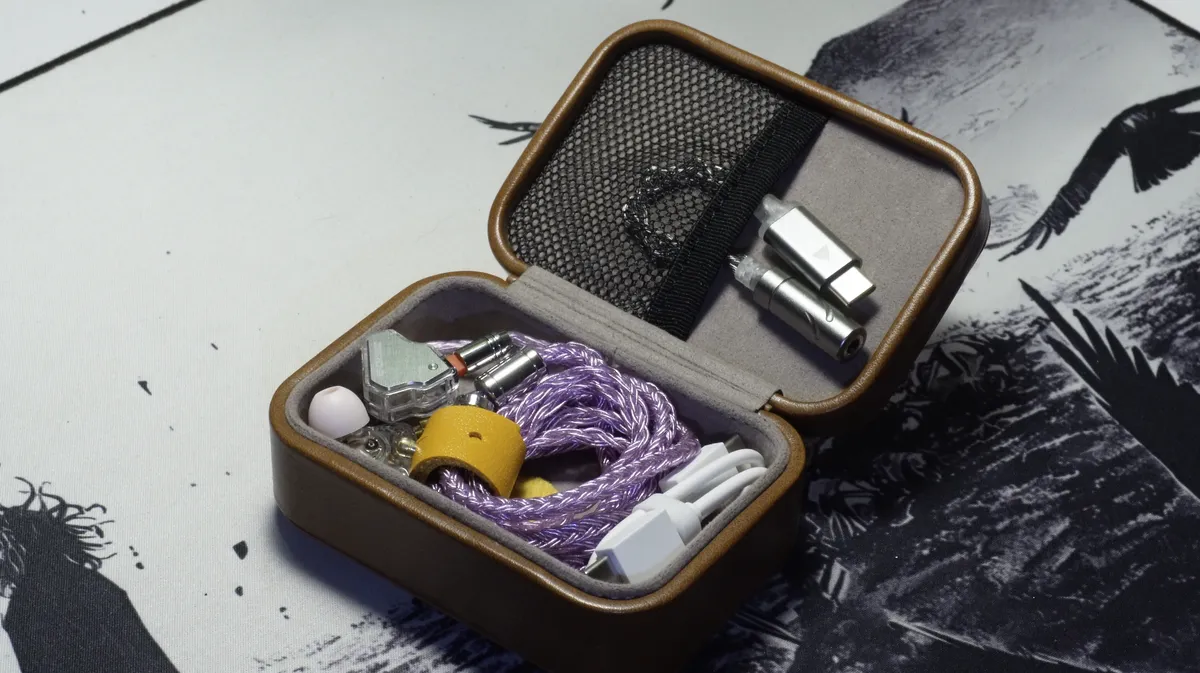
Introduction
Around 6 or 7 months ago, after a couple of reads earlier this year, I started thinking about giving my audio setup a real upgrade. Up until then, my “setup” was literally just my phone on Spotify Premium and some random Bluetooth earbuds I kept replacing every now and then (lately I was using the Nothing Ear (a)).
One day, while going through my 2026 to-do list, I ran into this line: “build a new audio setup before 2026.”
And that was it I went straight down the rabbit hole. Reddit threads, reviews, comparisons, hot takes, drama… the whole deal. My goal was simple: put together a high-res music setup without sacrificing a kidney.
Here’s how I ended up with what I’m using today.
In the beginning I spent hours reading about MP3 players and portable DACs, checking anything with a good price-to-performance ratio. I looked at a ton of Chinese devices claiming “audiophile quality” for suspiciously low prices, and at some point I even considered going full insane mode and buying something super high-end.
I still don’t know if I made the objectively best choice but I do know I found what I wanted: lightweight, solid build, great audio, clean minimal design with a retro vibe. Exactly my thing.
FiiO Snowsky Echo Mini DAC/MP3
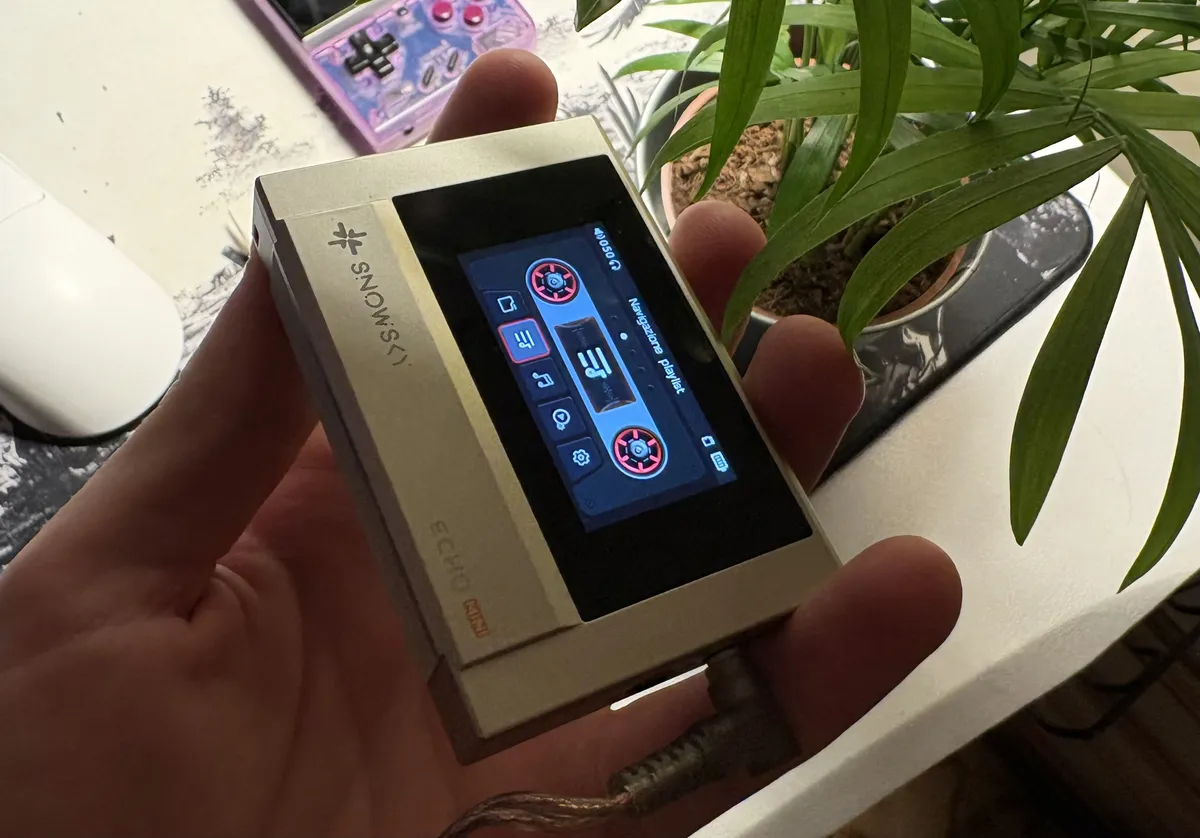
After all my research, the one that matched everything I was looking for was the FiiO Snowsky Echo Mini. It checked all my boxes including the price tag I originally planned to ignore.
So, the big question: “What sold you on it?”
Honestly? The retro look and the cassette-style UI had me hooked instantly. I was this close to buying it just for that.
But the specs? Yeah, they speak for themselves.
Technical highlights
- Retro “walkman” vibe: physical buttons + a UI that straight up looks like an old-school cassette player.
- Dual CS43131 DAC: two high-quality DAC chips for clean, detailed output.
“The DAC is what turns digital music into actual sound better DAC, better detail, better everything.” - Modern Bluetooth: Bluetooth 5.3 with LDAC, aptX HD, aptX, AAC, SBC.
- Storage: 8 GB built-in + microSD support up to 256 GB.
- Audio quality: super high SNR (~131 dB) and very low distortion.
- Formats: MP3, FLAC, WAV, APE, DSD, and pretty much anything you throw at it.
- Frequency response: 20 Hz - 40 kHz.
At this point I can say this little thing earned its spot as my audio buddy for 2026 and yeah, I bought it without regrets.
The headphones?
Obviously, what's a good audio setup without a solid pair of headphones? Exactly nothing.
My choice landed on a pair of IEMs basically tiny professional monitors you stick in your ears to get extremely detailed sound and great isolation.
But nowadays IEMs aren’t just for musicians anymore. They’ve become a whole nerd/audiophile subculture.
People like us buy them because:
- Tuning → the way they’re tuned (bass-heavy, analytical, warm, V-shaped, neutral… pick your poison)
- Driver porn → dynamic, BA, planar, hybrids with 6 drivers per side just because we can
- Cables → swapping cables for looks or “vibes,” even when we know it doesn’t change much
- Tip rolling → testing 10 different ear tips like we’re running an experiment at NASA
- Aesthetics → transparent shells, resin swirls, limited editions, stuff that looks like jewelry or mini spaceships
- Isolation → your own personal “audio bunker” for work, travel, editing
7Hz × Crinacle Zero 2
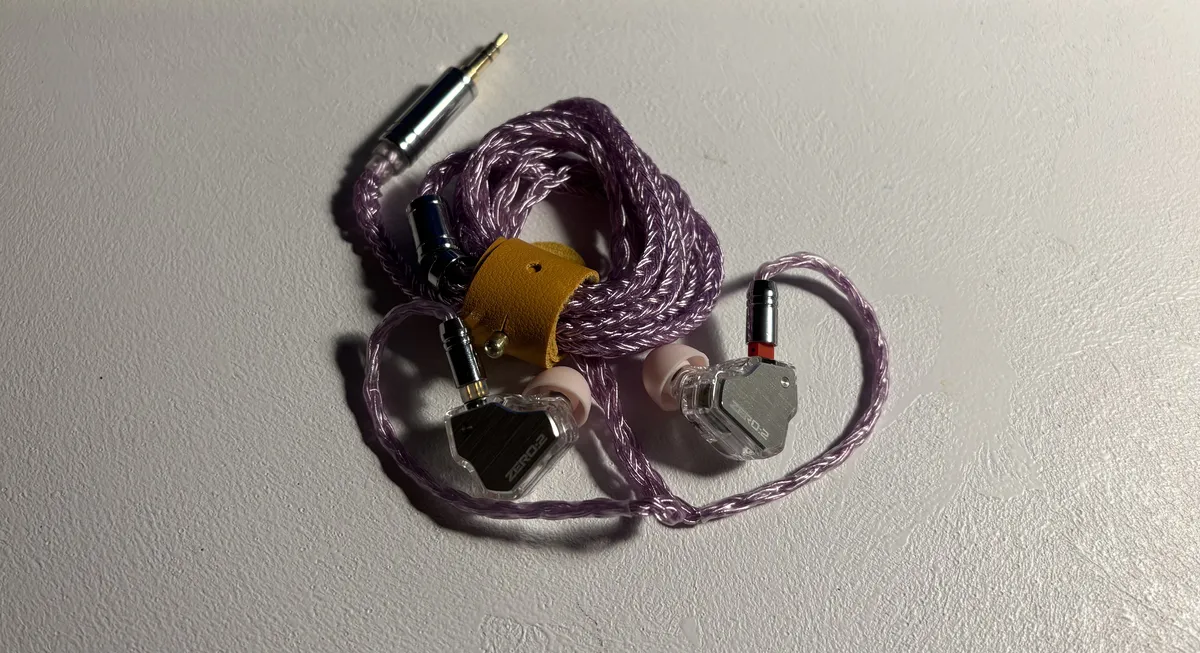
My pick ended up being the 7Hz × Crinacle Zero 2 — and here’s why I think they’re insane for the $20 price point.
Why I like them (and why I think you should try them)
- 10 mm dynamic driver: with a composite diaphragm for faster response.
- Frequency response: 10 Hz - 20 kHz → great bass extension, clean highs.
- Impedance: 32 ohm — super easy to drive.
- THD: <1% at 1 kHz → clean, controlled sound.
- Detachable cable: 2-pin 0.78 mm for future upgrades.
- Stock cable: OFC silver-plated, well braided, feels nicer than expected for the price.
- Sound signature: balanced with a tasteful bass boost (+3 dB over the previous model).
- Weight: around 4 g per shell → super comfy for long sessions.
The audio files
Let’s talk music files for a second.
If you want good sound, you need good files simple as that. Whether it’s MP3 320 kbps or FLAC, having solid high-res tracks makes a massive difference.
Sure, unlike Spotify, buying a full hi-res music library costs real money. But my philosophy is: music should be something you look for, not something an algorithm spoon-feeds you. Paying 5–15 bucks for an album you love isn’t crazy. And having your own collection whether it’s digital, vinyl, or CDs is something you can come back to even decades from now.
Here’s where I buy my high-res music:
- Qobuz FLAC, WAV, AIFF, ALAC up to 24bit/192kHz
- HDtracks classic site, offers DSD too
- ProStudioMasters very “audiophile” catalog
- Acoustic Sounds / Super HiRez — high-end DSD and lossless
- 7digital more generalist but solid
- Bleep indie, electronic, experimental stuff with high-quality FLAC/WAV
Final thoughts
If I were you, I’d seriously consider putting together a nice audio setup sometime in 2026.
The difference in sound quality is wild, and listening to your favorite music like this honestly hits different. It makes albums feel… intentional again.
Give it a try and let me know how it goes.
See you around.
I’d love for you to sign up for the newsletter you’ll get a nice little message every time I post something new. Plus, sometimes I share small gifts or ideas during the month that I later talk about here, so you’ll basically get early access 👀

Just a quick reminder at the bottom of the page there’s a little button with two arrows pointing up.
If you click it, you’ll be doing me a huge favor <3
Thanks again, everyone 🫶🏻